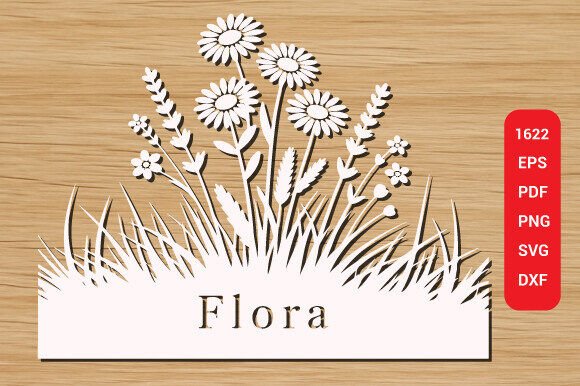
Wooden Flower Garden SVG Paper Cut 1622 Review
First Impressions: Translating Laser Aesthetics to Thread
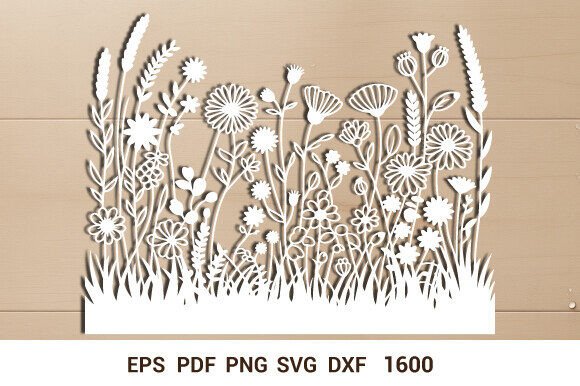
When I first opened Wooden Flower Garden SVG Paper Cut 1622, my immediate thought was not about embroidery, but about precision. As a designer who frequently bridges the gap between digital cutting files and needlework, I recognize the distinct visual language of a paper cut style. This design features a one-layered garden motif that relies heavily on negative space and intricate, continuous lines. While originally intended for laser-cutting fabric or wood, evaluating this as a potential machine embroidery design requires a shift in perspective. We are translating rigid vector paths into organic thread tension.
The mood of this design is undeniably rustic yet refined. It carries the charm of traditional folk art but with the clean geometry required for modern production. For an Etsy seller or craft business owner, this aesthetic is gold because it photographs beautifully in printable mockups and translates well to physical goods. However, the "one-layered" description is critical. In embroidery terms, this suggests we are looking at a design that lacks built-in depth through layering, meaning any 3D effect must be achieved through stitch type variation or fabric manipulation rather than stacked applique pieces. This makes the choice of stitch density and texture paramount.
Real-World Application: The Custom Tote Bag Test
To truly judge the viability of Wooden Flower Garden SVG Paper Cut 1622, I mentally placed it onto a natural canvas tote bag project I am currently prototyping for a boutique client. Canvas is unforgiving; it has a coarse fabric texture that can swallow fine details. Because this SVG mimics a paper cut, the success of the tote bag design hinges entirely on edge definition.
If I were stitching this out today, I would treat the outer boundaries as a heavy satin stitch or a dense column stitch to mimic the crisp edge of laser-cut wood or paper. The interior floral elements, however, would need careful consideration. Using a standard fill stitch might make the design look too flat against the canvas. Instead, I would experiment with textured fills or even a heavy running stitch to retain that handcrafted, linear quality inherent in paper cut art. This approach transforms a digital file into a handmade product that feels intentional rather than merely digitized.
For custom apparel like sweatshirts or aprons, this design offers excellent versatility. The garden theme is perennial, making it suitable for holiday embroidery in spring and summer, or as a timeless personalized gift year-round. I can easily envision this centered on a denim apron pocket or placed over the heart on a French terry sweatshirt. The key for commercial embroidery here is scalability. Since the source is a vector-based 3D SVG, resizing should theoretically maintain proportion, but as embroiderers know, scaling affects stitch count and coverage. Always verify that the internal gaps remain open when sizing down for smaller garments.
Navigating Technical Constraints and Fabric Choices
While Wooden Flower Garden SVG Paper Cut 1622 is visually striking, practical application demands caution. The intricate nature of paper cut designs often involves tight corners and slender bridges. On stretchy fabrics like jersey knits used for baby clothes or t-shirts, these thin sections are high-risk areas for puckering or distortion. If you are planning baby embroidery or items requiring frequent washing, I strongly advise testing the design stability first. You may need to add underlay stitches that aren't present in the original vector file to anchor the fabric before the decorative top stitching begins.
Dark fabrics present another challenge. Paper cut aesthetics rely on contrast between the material and the void. On black or navy fabric, a single-color thread execution might lose the design's complexity. For embroidered patch creation or dark garment decoration, consider using a contrasting bobbin thread or a tear-away backing that remains visible to simulate the "cutout" effect. Alternatively, this design serves as an exceptional guide for creating actual applique work. Use the SVG to cut fabric shapes via laser or vinyl cutter, then use the embroidery machine solely for securing the edges. This hybrid method often yields superior results for complex garden motifs compared to pure thread rendering.
Be mindful of hoop size limitations. Intricate garden designs often have wide aspect ratios. Ensure your hoop accommodates the full width without requiring re-hooping, which introduces alignment risks. If you must split the design, plan the break points along natural stems or leaves where a seam will be less noticeable. Also, verify the licensing terms included with your purchase. While many digital embroidery files allow for finished product sales, some restrict mass production or digital redistribution. Confirming this protects your small shop product line from future legal headaches.
Designer Notes for Professional Results
Before listing any item featuring Wooden Flower Garden SVG Paper Cut 1622 in your shop, run through this practical checklist to ensure professional quality:
- Test on Scrap Fabric First: Never stitch directly on a final product without a test run. Use a scrap of the exact fabric and stabilizer combination you intend to sell. Check if the intricate lines hold up or if they sink into the weave.
- Evaluate Thread Color Contrast: Paper cut styles fail without contrast. Test both light-on-dark and dark-on-light combinations. Sometimes a variegated thread enhances the organic flower feel better than a solid color.
- Review Stitch Density Settings: If converting the SVG yourself or editing a provided embroidery file, ensure the density isn't too high for delicate fabrics. Overly dense satin stitches on thin cotton can cause tearing.
- Inspect Small Details: Zoom in at 100% scale. Are there tiny jumps or disconnected nodes? Clean these up in your software before stitching to prevent machine stops and thread nests.
- Mockup Realistically: When creating listings, avoid flat digital overlays. Take photos of actual test stitches. Customers trust design assets that show real texture and imperfections over perfect vector renders.
- Stabilizer Selection is Non-Negotiable: For this specific design style, cutaway stabilizer is usually safer than tear-away for maintaining the integrity of fine lines, especially on knits or loose-weave linens.
- Check Licensing for Commercial Use: Verify if you can sell the digital file itself or only the physical embroidered end product. This distinction is vital for Etsy sellers and digital product vendors.
Final Verdict on Value and Versatility
Wooden Flower Garden SVG Paper Cut 1622 represents a sophisticated intersection of digital crafting and textile art. Its strength lies in its distinctive silhouette, which sets it apart from generic floral clipart. For the experienced maker, it offers a framework for creative interpretation—whether executed as pure thread, mixed media applique, or a guide for laser-cut fabric accents. The design possesses enough character to serve as a signature piece for a craft business while remaining versatile enough for various substrates from nursery decor to fashion accessories.
However, respect the technical translation process. Do not assume a file labeled for paper cutting will stitch perfectly without adjustment. Treat it as a premium blueprint. With proper stabilizer, thoughtful thread selection, and attention to fabric compatibility, this design can elevate your inventory from standard craft fair fare to boutique-quality merchandise. It is a worthy addition to the library of any serious embroidery designer looking to offer unique, nature-inspired aesthetics with a modern, structural twist. Just remember: in embroidery, the magic is in the testing, not just the digitizing.