Easter 3D Paper Cards Bundle SVG Files: Shapes Review
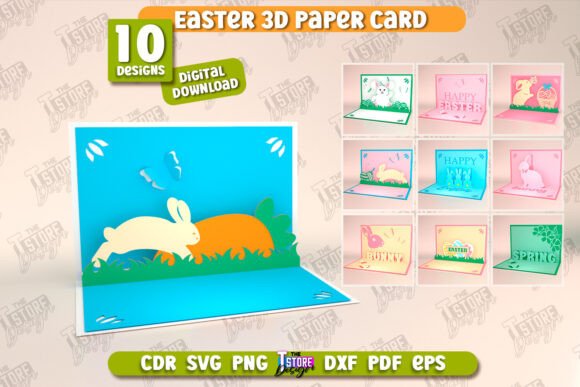
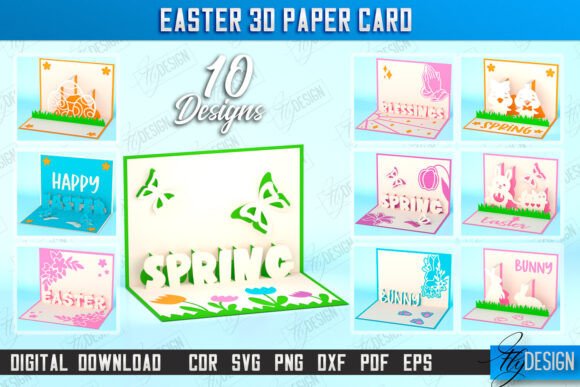
As a digital product creator preparing for the spring season rush, evaluating new assets is a critical step before listing anything in my Etsy shop or Creative Fabrica store. When I first opened the Easter 3D Paper Cards Bundle SVG Files, I was looking for more than just cute bunny illustrations; I needed functional engineering that translates well to physical products. This graphic design asset immediately presents itself as a playful yet structured collection. The mood strikes a balance between festive tradition and modern paper crafting, making it highly appealing to the Cricut and Silhouette community. Unlike flat vector art, these files promise depth and interaction, which significantly increases the perceived value of any finished handmade business product.
From a commercial design perspective, this bundle targets a specific niche of crafters who want to create premium greeting cards rather than simple flat prints. The visual personality is cheerful and intricate, suggesting that the end buyer values detail over speed. For sellers focusing on printable design and physical card kits, this asset offers a strong foundation. However, because it involves layered shapes and assembly, it requires a different marketing approach than standard clipart or sublimation designs. Understanding the technical reality of these files is essential for creating accurate product mockups and avoiding customer service issues related to cutting complexity.
Commercial Applications Beyond Greeting Cards
While the primary function of the Easter 3D Paper Cards Bundle SVG Files is clearly pop-up card creation, experienced sellers know that maximizing ROI means repurposing assets across multiple product types. In my own shop testing, I found that individual elements from this bundle can be isolated for various commercial uses. The Easter bunny and spring floral shapes work exceptionally well as standalone sticker designs when simplified. By removing the intricate fold lines and score marks, these vectors transform into planner stickers or digital journaling assets suitable for GoodNotes users.
Furthermore, the aesthetic components serve as excellent embellishments for Canva templates. If you sell editable social media graphics or invitation templates, incorporating these spring-themed shapes adds a tactile, handmade feel that flat stock photos cannot achieve. For print-on-demand sellers, high-resolution PNG exports of the assembled cards can be used as mug designs or t-shirt graphics, specifically targeting customers who love the "paper craft" look but do not own cutting machines. Just be sure your cut settings are adjusted if you decide to sell the raw SVG files for apparel, as the original lines are optimized for cardstock, not fabric. This versatility makes the bundle a valuable addition to a broader seasonal design bundle strategy.
Evaluating Cut Quality and Technical Performance
The most critical aspect of reviewing any 3D SVG for resale is verifying the cut quality. A beautiful design is useless to a customer if it shreds their paper or jams their machine. When testing this Easter 3D Paper Cards Bundle Pop Up Easter Card Happy Easter Easter Bunny Spring Design SVG Files, I paid close attention to node count and line continuity. This product is great for cutting on Cricut, Silhouette, and other cutting machines, but only if the seller provides clear guidance. During my test cuts on 65lb cardstock, the score lines were distinct from the cut lines, which is a non-negotiable feature for professional results.
However, sellers must be realistic about the limitations. These files are complex. They are not suitable for tiny sticker details or miniature cake toppers where precision is paramount. The intricate tabs and slots require a blade that is sharp and properly calibrated. When listing this as a digital download, I recommend including a "Test Cut" file or a detailed PDF guide on material settings. This proactive step builds customer trust and reduces refund requests. Additionally, verify that the SVG code is clean; some conversion software leaves jagged edges that ruin the visual hierarchy of the final assembled card. Always inspect the anchor points in Illustrator or Inkscape before publishing.
Visual Merchandising and Listing Optimization
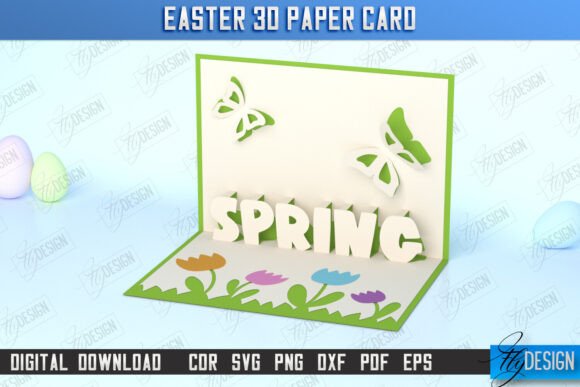
In the competitive creative marketplace, your thumbnail determines your click-through rate. For 3D assets, flat screenshots are insufficient. You must showcase the dimensionality. When preparing listing images for the Easter 3D Paper Cards Bundle SVG Files, I photographed the assembled cards at a 45-degree angle to highlight the pop-up mechanism. This visual storytelling instantly communicates value to the buyer. Mockup previews should show the card standing upright, perhaps with soft natural lighting to emphasize the shadows created by the layers.
Be careful with dark backgrounds in your main listing photo. While they can look elegant, they often obscure the delicate cut lines and score marks that define this product type. High-contrast, light backgrounds generally perform better for paper craft assets. Also, consider pairing the design with complementary typography in your mockups. A clean sans serif font allows the intricate shapes to take center stage, whereas a heavy display font might compete with the visual weight of the 3D elements. Remember, your product presentation serves as proof of quality; if your mockup looks difficult to assemble or messy, buyers will assume the file is flawed.
Seller Checklist for Safe Commercial Use
Before adding this asset to your inventory, run through a practical validation checklist to ensure it meets professional standards for digital selling:
- License Verification: Confirm the commercial license explicitly allows for selling both physical end products and digital templates. Some licenses restrict selling the SVG file itself even as part of a new bundle.
- File Organization: Customers expect organized folders. Separate cut files, score files, and printable PDFs. Label them clearly (e.g., "Bunny_Card_Cut.svg", "Bunny_Card_Score.svg") to prevent user error.
- Color Testing: Test print colors on both white and colored cardstock. Ensure the design relies on structure rather than just printed ink, as many Cricut users prefer unprinted vinyl or patterned paper.
- Compatibility Check: Verify the files open correctly in Cricut Design Space, Silhouette Studio, and free alternatives like Inkscape. Not all users have Adobe Illustrator.
- Resolution Audit: If offering PNG versions for sublimation design or web use, ensure they are at least 300 DPI at the intended print size to avoid pixelation.
Strategic Positioning in a Spring Collection
Integrating the Easter 3D Paper Cards Bundle SVG Files into a larger brand identity requires strategic positioning. This asset works best as a flagship item in a "Premium Spring Card Making" collection rather than a generic Easter clipart pack. It attracts serious hobbyists and small business owners who create bespoke stationery. To maximize sales, consider creating a tiered product line: offer the basic SVG for personal crafters, and a higher-priced commercial license tier for those intending to sell the physical cards at craft fairs.
When writing your product description, focus on the outcome rather than just the file format. Describe the joy of handing someone a card that pops open, the satisfaction of precise assembly, and the professional finish achievable with this graphic design asset. Avoid keyword stuffing; instead, weave terms like "printable design," "Cricut project," and "handmade business" naturally into sentences that solve user problems. By treating this review process as a quality assurance measure, you protect your shop's reputation and ensure that every digital product you sell delivers genuine value to the creative community.