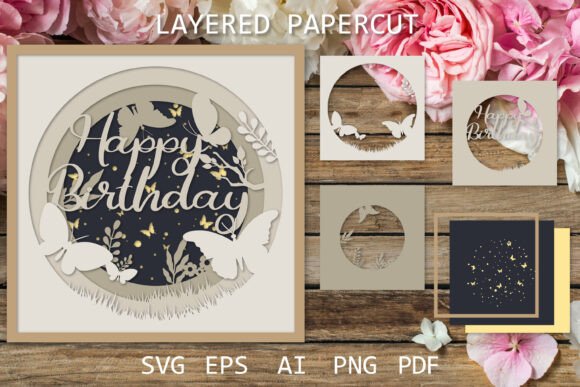
Birthday Card SVG: A 3D Paper Cutout Review
As a designer who constantly bridges the gap between digital assets and tangible textiles, I approach every new file with a healthy dose of skepticism. When I first opened the Birthday Card SVG, Paper Cut out 3D, my immediate thought was not about paper crafting, but about translation. While this asset is marketed primarily as a cut file for shadow boxes and paper cards, my mind immediately went to the embroidery machine. The layered aesthetic inherent in a 3D SVG offers a unique blueprint for textile artists looking to create depth without relying solely on heavy stitch density. For Etsy sellers and small business owners, understanding how to repurpose this specific visual style into a machine embroidery design is where the real value lies.
Translating Paper Layers to Thread and Fabric
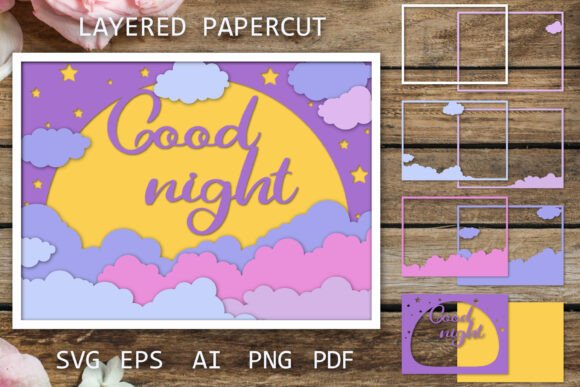
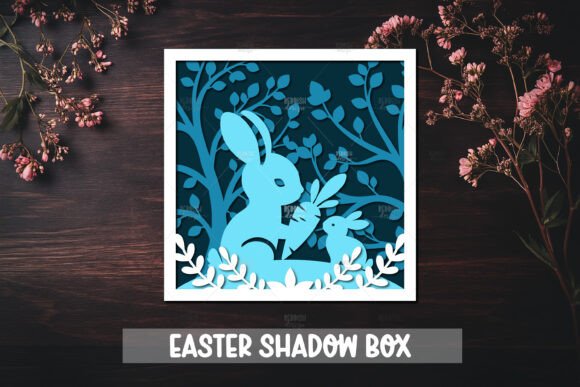
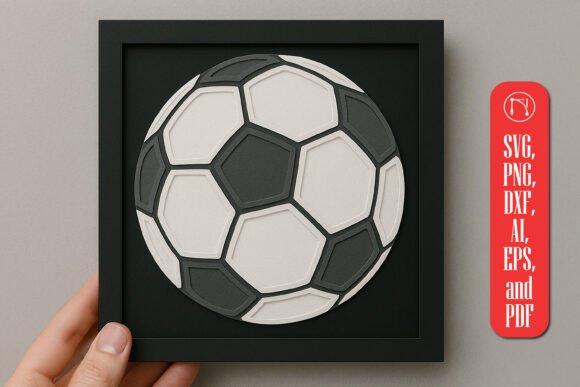
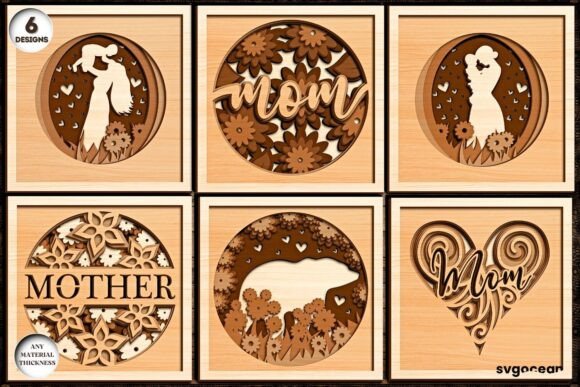
The visual personality of this Birthday Card SVG is defined by its distinct separation of elements. In the world of paper crafts, shadows create the 3D effect. In embroidery, we must manufacture that dimension through texture and layering. Upon reviewing the vector paths, I found the layout exceptionally well-suited for an applique design rather than a traditional fill stitch composition. The bold, graphic shapes typical of paper cutouts translate beautifully to fabric layers, allowing you to mimic the "stacked" look of the original digital file using actual textiles.
For a recent client project involving custom apparel for a boutique bakery’s anniversary, I needed a birthday motif that felt premium yet playful. Standard flat embroidery often looks too corporate or juvenile. By utilizing the structure of this 3D SVG, I created a multi-layered embroidered patch that retained the whimsical charm of a paper card but offered the durability required for commercial embroidery. The key here is recognizing that the negative space in the SVG is just as important as the positive space; it dictates where your running stitch placement lines should go and where your satin stitch borders will define the edges.
Real-World Application: The Sweatshirt Test
To truly evaluate this design, I moved beyond the screen and tested it on a heavyweight cotton sweatshirt intended for a personalized gift line. Sweatshirt fleece is unforgiving; it eats fine details and can distort complex designs. However, the bold geometry of the Birthday Card SVG performed admirably because it relies on shape definition over intricate linework.
I treated the design as a stacked applique. Instead of stitching out thousands of fill stitches to recreate the paper look, I used the SVG paths to cut fabric layers that matched the digital hierarchy. This reduced the stitch count significantly, keeping the garment soft—a critical factor for customer satisfaction in handmade products. The result was a tactile, raised effect that mirrored the 3D intent of the original file. For craft business owners, this efficiency means faster production times and higher perceived value. Customers are drawn to the dimensional quality, often assuming it is a mixed-media piece rather than standard machine embroidery.
Navigating Fabric Limitations and Hoop Constraints
While the design is versatile, it demands respect for material physics. During my review, I noted several areas where caution is necessary. If you plan to use this Birthday Card SVG for baby embroidery or lightweight knits, you cannot simply scale it down and hope for the best. The layered nature of the design adds physical weight. On thin fabric, this can cause puckering even with adequate stabilizer.
I strongly advise against using this specific 3D layout on stretchy fabrics like ribbed tank tops or performance wear unless you are creating a separate embroidered patch to be sewn on later. The tension required to hold multiple applique layers can warp the base fabric. Additionally, if you are working with small hoop sizes, verify that the internal details remain legible. Paper cutouts often feature delicate connecting tabs that serve a structural purpose in paper but may become fragile points in thread. You may need to thicken these connection points in your digitizing software to prevent thread breaks or fraying during the wash cycle.
Dark fabrics also present a challenge. The 3D effect relies on contrast. If you stitch white layers on a navy sweatshirt, the depth reads clearly. If you stitch navy on navy, the 3D illusion collapses. Always test thread colors against your base fabric in natural light before committing to a full production run.
Commercial Viability for Makers and Sellers
For those selling finished products or digital embroidery files, this design asset offers strong commercial potential, provided you manage expectations. As a tote bag design, the Birthday Card SVG shines because canvas provides a stable foundation for the layered look. It transforms a simple accessory into a statement piece suitable for holiday gifts or boutique merchandise.
However, professionalism requires due diligence. Before listing any item derived from this file, confirm the licensing terms. Just because it is labeled as an SVG cut file does not automatically grant rights for commercial embroidery digitization or resale of the digitized version. Protect your shop by verifying usage rights. Furthermore, when creating printable mockups for your listings, ensure they accurately represent the textured reality of embroidery. Misleading customers with flat digital previews when the final product is a thick, layered applique can lead to returns and erode trust.
Essential Designer Notes for Successful Execution
If you decide to adapt this Birthday Card SVG for your next embroidery project, keep these practical guidelines in mind to ensure a professional finish:
- Test on Scrap Fabric First: Never run a new adaptation directly on a retail garment. Use a scrap of the exact same material and stabilizer combination to check for registration issues between layers.
- Evaluate Stitch Density: Since this mimics a paper cutout, avoid high-density fill stitches. Let the fabric do the work. Use satin stitches only for edge finishing and running stitches for placement.
- Stabilizer Selection is Critical: For 3D-style appliques, use a firm cut-away stabilizer. Tear-away options rarely provide enough support for the multiple layers of fabric and thread involved in this design style.
- Check Small Details: Inspect the SVG for tiny islands or sharp corners. In paper, these are fine; in embroidery, they are needle-break risks. Round off sharp interior corners in your digitizing software.
- Mockup Realistically: Create black and white mockups to test contrast levels. If the design doesn't read well in grayscale, it won't have enough visual pop in thread, regardless of color choice.
- Verify Licensing: Explicitly check if the creator allows for the conversion of their paper cut SVG into a digital embroidery file for commercial sale. Documentation is your safety net.
- Wash Testing: Because this design involves raw-edge or folded-edge applique to mimic paper cuts, wash test your sample. Ensure the edges don't fray excessively after laundering, especially for items like tea towels or baby clothes.
Final Thoughts on Design Adaptation
The Birthday Card SVG, Paper Cut out 3D is more than just a digital template for scrapbooking; it is a structural guide for modern textile art. By viewing this asset through the lens of an embroiderer, we unlock new possibilities for personalized gifts and custom apparel. Success lies in respecting the differences between paper and thread. Where paper relies on air and shadow, embroidery relies on tension and texture. When you honor those material truths, this design transitions seamlessly from a screen-based vector to a cherished, tactile keepsake that stands out in a crowded marketplace of generic machine embroidery.