Van Favor 3D Papercraft: A Designer’s Review
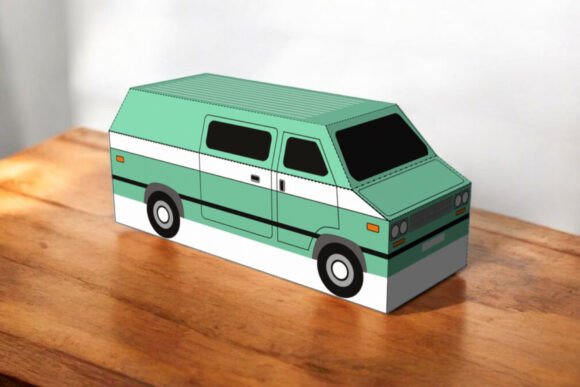
As a designer who constantly bridges the gap between digital assets and tangible handmade products, I approach every new file with a specific question: will this actually translate into a sellable, durable, and visually appealing finished product? When evaluating Van Favor - 3d Papercraft, my perspective shifts from simple aesthetics to structural viability. While this asset is categorized under Shapes and provided as a 3D SVG with PDF, DXF, EPS, PNG, and JPG formats, its true value for embroidery professionals lies in its geometric clarity and potential for mixed-media application. It is not a traditional stitch file; it is a structural blueprint that demands interpretation.
First Impressions: Geometric Clarity and Structural Mood
My first impression of Van Favor - 3d Papercraft is one of clean, deliberate lines. In the world of machine embroidery design, we often struggle with organic shapes that lose definition when converted to satin stitch or fill stitch. This design offers the opposite: rigid, predictable geometry that screams professionalism. The mood is modern, nostalgic, and distinctly tactile. For an Etsy seller or small shop product creator, this shape communicates "intentional craft" rather than generic clip art.
The assembled size of 8 x 8 x 20 CMS provides a substantial canvas. From a design judgment standpoint, this dimension is perfect for creating depth. Unlike flat embroidery files, this 3D SVG allows us to visualize how light and shadow will interact with the final piece. Whether you are using it as a guide for an applique design or printing it directly onto fabric for a custom apparel project, the proportions feel balanced. It avoids the common pitfall of looking too wide or too narrow when scaled for commercial embroidery projects.
Real-World Application: The Custom Tote Bag Test
To truly evaluate this asset, I mentally placed it into a current client request: a series of branded tote bags for a boutique bakery. The client wanted packaging-inspired art that felt vintage but clean. Van Favor - 3d Papercraft was the ideal candidate. Here is how it performs in a real-life embroidery project scenario.
For this tote bag design, I would utilize the PNG and JPG files to create a printable mockup for client approval before stitching a single needle. The high-resolution raster files allow for accurate color matching and layout planning. Once approved, the DXF or EPS vectors serve as the ultimate digitizing map. Because the lines are crisp, converting this into a running stitch outline or a precise applique design becomes significantly faster. There is no guessing where the fold lines should be or where the structural edges sit.
In this specific case, I envision using the 3D papercraft aesthetic to guide a layered fabric technique. Instead of standard fill stitch, which can become dense and stiff on a tote bag, I would use the vector lines to cut fabric pieces (perhaps canvas or linen) and assemble them using the 30-minute assembly logic provided in the description, but adapted for textile fusing and topstitching. The result is a handmade product that retains the structural integrity of paper craft but offers the washability and durability required for a functional bag. This hybrid approach elevates the perceived value of the item far beyond a standard embroidered patch.
Navigating Fabric Limitations and Hoop Constraints
While the geometry is forgiving, the translation from digital 3D SVG to physical thread requires caution. Not every fabric texture supports this level of structural detail. I would advise against using Van Favor - 3d Papercraft on highly textured fabrics like terry cloth or loose-weave linens without significant modification. The sharp corners and precise angles that define this shape will get lost in the pile, resulting in a muddy, unprofessional finish.
Stabilizer choice is non-negotiable here. Because the design relies on straight lines and defined edges, any fabric distortion during hooping will be immediately obvious. For sweatshirt embroidery or baby embroidery on stretchy knits, you must use a heavy-duty cut-away stabilizer and potentially a topping to keep the stitches crisp. If you are working with small hoop sizes, resist the urge to shrink this design below its intended proportions. The 8 x 8 x 20 CMS specification exists for a reason; reducing it too drastically may cause the internal details to merge, especially if you are combining it with text or additional decorative elements.
Furthermore, consider the washing requirements. If this is intended for baby clothes or kitchen towels that face frequent laundering, ensure your stitch density is adequate to secure the edges. A pure papercraft look might rely on glue in its original form, but in embroidery, those seams must be locked down with satin stitch or dense running stitch to prevent fraying over time.
Elevating Brand Consistency and Customer Trust
For creative entrepreneurs and digital product sellers, consistency is currency. Van Favor - 3d Papercraft offers a unique advantage: it serves as both a production asset and a marketing asset. The included PDF and image files allow you to create cohesive branding across your shop. You can use the same visual language in your listing photos, your packaging inserts, and the actual embroidered patch or custom apparel you sell.
This cohesion builds customer trust. When a buyer sees a professional, well-lit mockup that matches the received handmade product, it validates their purchase. The distinct shape of this van favor also aids in recognition. In a saturated market of generic floral or monogram designs, a structured, 3D-inspired geometric shape stands out in search results and social media feeds. It signals that your craft business pays attention to architectural detail and modern design trends, distinguishing your work from hobbyist-level outputs.
Essential Designer Notes Before You Stitch
Before adding this to your next holiday embroidery lineup or personalized gift collection, run through this practical checklist. These steps save time, thread, and frustration.
- Verify Licensing: Always confirm whether your purchase includes commercial rights for selling finished products or digital derivatives. Never assume a 3D SVG is cleared for resale without checking the specific terms.
- Test on Scrap Fabric: Do not stitch this directly onto a high-value garment first. Test the design on a scrap of the exact fabric and stabilizer combination you plan to use. Check for puckering along the straight edges.
- Contrast Check: Review the design in black and white. If the structural lines disappear without color contrast, you may need to adjust your thread colors or add a contrasting outline stitch to maintain visibility on dark fabrics.
- Digitizing Verification: Since this is a vector/papercraft asset and not a pre-digitized embroidery file, ensure your digitizing software can import DXF/EPS cleanly. Check node counts to avoid unnecessary jumps and trims.
- Mockup Reality Check: Use the provided PNG/JPG to test how the design looks at actual print size versus screen size. What looks bold on a monitor might be too delicate for physical thread.
- Assembly Adaptation: The stated assembling time is 30 minutes for paper. For fabric, factor in additional time for fusing, pressing, and stitching. Adjust your pricing models accordingly if selling finished goods.
Final Verdict for Makers and Sellers
Van Favor - 3d Papercraft is more than just a shape; it is a versatile foundation for makers who want to blend digital precision with handmade warmth. Its strength lies in its adaptability. Whether you are creating a bespoke nursery decor piece, a branded merchandise line, or a unique holiday gift, this asset provides the structural confidence that freehand drawing often lacks.
However, success depends on respecting the medium. Treat the vector lines as guides for textile construction rather than mere tracing patterns. Pay attention to stabilizer, fabric weight, and stitch type. When executed with the care of an experienced embroiderer, this design transforms from a digital file into a premium, tactile product that customers are proud to own and display. For the serious embroidery project, it is a worthy addition to your digital asset library, provided you bring the technical skill to match its clean aesthetic.