Airgun Rifle 3D SVG: Shapes for Papercraft
Evaluating Tactile Geometry for a Tactical Brand Identity
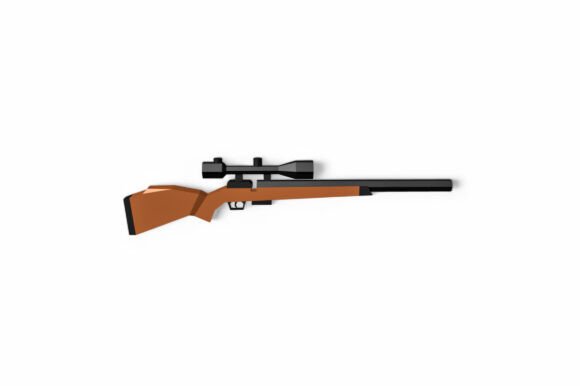
When reviewing the Airgun Rifle - 3d Papercraft asset for a recent client project involving an outdoor lifestyle brand, my primary focus was not merely on the aesthetic of the rifle itself, but on how its structural lines translate into broader graphic design asset utility. As a designer tasked with creating a cohesive visual identity for a boutique airsoft and tactical gear shop, I needed elements that bridged the gap between digital precision and physical craftsmanship. This specific digital product immediately stood out because it offers more than just a flat illustration; it provides a blueprint for three-dimensional form. The mood is distinctly technical yet accessible, evoking a sense of hands-on engagement that flat vector art often lacks. For clients in the handmade business or niche hobby sectors, this tactile quality is essential for establishing authenticity.
The visual weight of this asset suggests a rugged, industrial style that pairs exceptionally well with textured backgrounds and bold typography. In the context of small business branding, it avoids the sterile look of generic military clipart, offering instead a stylized, geometric interpretation that feels modern and intentional. It fits projects requiring a blend of nostalgia and technical appreciation, making it ideal for brands that want to emphasize the "build" aspect of their community rather than just aggressive imagery. When integrated into a mood board, the clean lines and segmented shapes provide a strong anchor for creative design exploration, setting a tone of precision engineering and recreational focus.
Performance Across Packaging, Merchandise, and Digital Layouts
In practical application for the tactical gear client, the versatility of the Airgun Rifle - 3d Papercraft files proved valuable across multiple touchpoints. For packaging design, specifically custom box inserts and thank-you cards, the papercraft nature of the asset allowed us to create interactive unboxing experiences. We utilized the PDF and DXF files to produce actual paper models as promotional giveaways, turning standard packaging into a memorable brand interaction. This level of engagement is difficult to achieve with standard SVG design files alone. Furthermore, the included PNG and JPG formats served as high-quality base layers for social media graphics. On Instagram and Pinterest, we used the rendered 3D views as hero images for carousel posts explaining product features, maintaining visual consistency without the cost of professional product photography.
For print-on-demand merchandise, particularly t-shirt design and stickers, the geometric segmentation of the papercraft model translated surprisingly well into stylized apparel graphics. By isolating specific shapes from the assembly diagrams, we created abstract patterns that hinted at the rifle’s silhouette without being overtly literal. This approach worked beautifully for sublimation design on mugs and tote bags, where full-color detail is necessary. In terms of web design and editorial design for the client’s blog, the asset provided unique header visuals that broke up text-heavy content about airgun maintenance. Unlike generic stock photos, these custom-tailored visuals reinforced the brand’s expertise and attention to detail. For Cricut users or those managing an Etsy product line, the DXF compatibility ensures that the design remains editable and scalable for various cutting machines, expanding its utility beyond simple print media.
Strategic Placement: Maximizing Impact While Avoiding Visual Clutter
While the Airgun Rifle - 3d Papercraft is a robust design bundle component, knowing where to deploy it is critical for maintaining professional standards. This asset performs best in large layout areas where its intricate folding lines and dimensional shading can be appreciated. It excels as a focal point in product mockup presentations or as a decorative accent in themed collections for seasonal campaigns. For example, using the assembled size dimensions (16 x 4 x 66 cm) as a reference for scale in infographics helped communicate product specifications clearly in marketing visuals. The complexity of the papercraft structure demands breathing room; it needs negative space to prevent the design from feeling chaotic.
Conversely, designers must exercise caution when using this asset in small sizes or crowded layouts. The detailed tab-and-slot geometry that makes the 3D SVG functional for assembly becomes visual noise when scaled down for business cards or favicon use. In minimalist brand identity systems or corporate materials requiring sleek, flat aesthetics, this asset may feel too illustrative or craft-oriented. It is also vital to consider contrast; the multi-colored facets intended for printing can lose definition against complex photographic backgrounds. For logo design, I would advise against using the full papercraft model directly. Instead, extract simplified silhouettes or key mechanical shapes to create a cleaner mark. Always prioritize visual hierarchy; if the papercraft element competes with the headline or call-to-action, it detracts from the conversion goal. This asset supports the narrative, but due to its inherent detail, it should rarely be the sole carrier of critical information in compact formats.
Technical Pre-Flight Checks for Commercial Design Integrity
Before committing the Airgun Rifle - 3d Papercraft to a final commercial design deliverable, rigorous testing is non-negotiable. My first step is always to test the asset in black and white. This reveals whether the form holds up without color coding, which is crucial for single-color sticker design or embossed packaging. Next, verify the transparency of the PNG files; ensure there are no jagged edges or white halos that could ruin a dark-mode website header or a colored Canva template. Since the listing includes EPS and DXF formats, open these in vector software to confirm path integrity. Sometimes clipart marketed as vectors contain rasterized elements; confirming true editability allows you to adjust colors to match specific Pantone references for brand consistency.
Typography pairing requires equal diligence. Test the asset against both sans-serif fonts for a modern, technical look and serif fonts for a heritage or traditional sporting feel. Avoid overly decorative script fonts, as they often clash with the rigid, engineered geometry of the papercraft. Regarding physical production, note the specified assembling time of two hours and required tools (scorer, bone folder, glue). If you plan to include this as a value-add for customers, factor this labor into your pricing or provide clear instructions. Finally, and most importantly, validate the commercial license. Ensure the rights cover your specific use case, whether that is selling physical papercraft kits, using the graphics on merchandise, or incorporating them into client branding. A thorough review of file formats, readability at various scales, and licensing terms transforms this from a novelty download into a reliable, professional-grade illustration resource capable of elevating real-world projects.