Unicorn Birthday Numbers: A 3D Layered Design Review
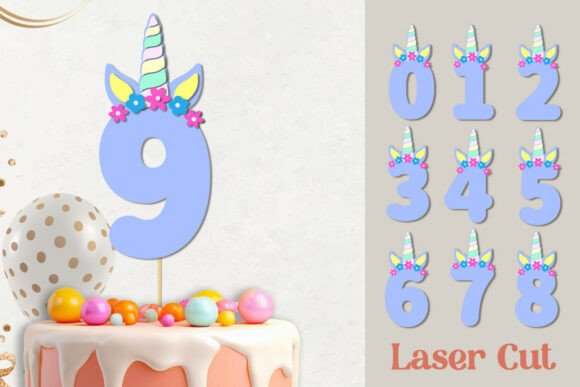
As a professional embroidery designer and product reviewer, I approach every new asset with a critical eye toward production viability. When evaluating the Unicorn Birthday Numbers, 3d Layered Svg, my primary focus is not just on the whimsical aesthetic but on how this digital file translates into a tangible, high-quality handmade product. This design set, featuring a two-layer construction at a 7.5-inch height, presents unique opportunities and specific challenges for makers. While originally formatted for laser cutting machines like Glowforge or Cricut, adapting this vector art for needle and thread requires a thoughtful assessment of structure, density, and end-use application.
First Impressions and Visual Personality
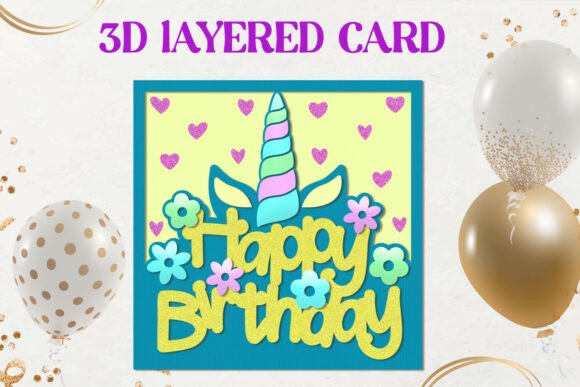
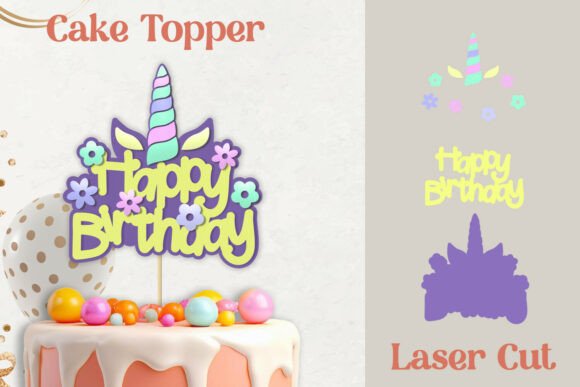
The immediate mood of this design is celebratory yet structured. The unicorn motif combined with numerical digits creates a focal point that feels personalized rather than generic. For an Etsy seller or boutique owner, this balance is crucial; customers are looking for recognizable themes executed with professional precision. The 3D layered aspect suggests depth, which in an embroidery context implies we must think about texture and dimensionality. Visually, the 7.5-inch height makes this a substantial centerpiece. It commands attention without overwhelming smaller garments, making it ideal for statement pieces rather than subtle accents. The clean lines typical of laser-ready files are actually a benefit here, as they provide excellent digitizing boundaries for creating crisp edges in a machine embroidery design.
Real-World Application: The Custom Sweatshirt Scenario
To truly test the merit of the Unicorn Birthday Numbers, 3d Layered Svg, I mentally placed it in a real-life production scenario: a custom birthday sweatshirt for a child’s fifth birthday party. In this case, the design serves as both apparel and a keepsake. A 7.5-inch tall number is significant on a youth-sized garment, so placement becomes a strategic decision. Center-chest placement works best to maintain proportion.
In this scenario, the two-layer concept can be reinterpreted for embroidery. Instead of stacking physical materials as you would with a laser cutter, I envision using this as a complex applique design. The base layer could be a sturdy felt or twill secured with a running stitch, while the top unicorn-number layer uses a contrasting fabric with a satin stitch border. This mimics the intended 3D effect through textile contrast rather than physical spacing. For a craft business, this adaptation adds perceived value. Parents are willing to pay a premium for multi-textured, dimensional work that looks far more expensive than a flat print. However, because this is destined for active wear, the stitch density must be balanced—dense enough to cover the fabric grain but light enough to prevent the sweatshirt from becoming stiff or heavy.
Navigating Fabric Limitations and Hoop Constraints
While the design is versatile, it demands respect for material limitations. At 7.5 inches high, you must verify your hoop size before purchasing or digitizing. Many standard home embroidery machines max out at 4x4 or 5x7 hoops, meaning this design might require re-sizing or splitting. Resizing down significantly may compromise the intricate details of the unicorn features, particularly facial expressions or horn spirals. Always check the minimum viable size to ensure those details remain distinct after stitching.
Fabric choice is equally critical. This design performs beautifully on stable substrates like denim, canvas for a tote bag design, or medium-weight cotton. However, I would advise extreme caution when applying this to stretchy knits or thin jersey without proper stabilization. The sheer surface area of a filled number combined with decorative elements creates significant pull. Without a robust cut-away stabilizer, the fabric will distort, causing registration issues between the layers. Furthermore, if you are working with dark fabrics, remember that the original SVG was likely designed with layering in mind. You may need to add a white underlay or knockdown stitch to prevent the dark background from bleeding through lighter thread colors, ensuring the vibrant birthday aesthetic remains intact.
Commercial Viability and Brand Consistency
For commercial embroidery ventures, consistency builds trust. Using the Unicorn Birthday Numbers, 3d Layered Svg allows for a cohesive product line. Imagine offering matching sets: a baby bib with the "1" version, a toddler backpack with the "3," and a nursery pillow cover with the "5." The uniform style across different ages creates brand recognition. However, professionalism lies in the finish. Before listing any personalized gift or custom apparel item, you must validate the design's integrity.
I strongly recommend testing the design on scrap fabric identical to your final product. Check specifically for gap formation between the unicorn overlay and the number base. In laser cutting, layers sit perfectly flush; in embroidery, fabric thickness varies. You may need to adjust compensation settings in your digitizing software to account for this. Additionally, consider washability. If this is for a baby item or kitchen towel, the finished product must withstand frequent laundering. Ensure all applique edges are securely tacked down and that no loose threads exist where the 3D layers meet. A durable product reduces returns and increases positive reviews for your small shop product listings.
Essential Designer Notes for Success
Before integrating this asset into your workflow, adhere to these practical guidelines to ensure professional results:
- Verify Licensing: Confirm whether the digital embroidery file or SVG license permits commercial use of finished goods versus digital redistribution. Never assume rights; always read the terms.
- Mockup Testing: Create black and white printable mockups to evaluate contrast. If the unicorn and number blend together in grayscale, they will lack definition in tone-on-tone embroidery.
- Stabilizer Strategy: For a design of this scale and complexity, use multiple layers of stabilizer or a heavyweight cut-away to support the 7.5-inch span without puckering.
- Detail Inspection: Zoom in to 100% on your screen. If the unicorn’s eyelashes or horn ridges are thinner than 1mm, they may need to be thickened during digitizing to prevent needle breaks or thread shredding.
- Thread Contrast: Select thread colors that offer high visibility against each other. The 3D effect relies entirely on visual separation; low-contrast palettes will flatten the design.
- Machine Compatibility: Since the source is an SVG for laser/cutting machines, ensure you have appropriate software to convert or trace this into a stitch file compatible with your specific embroidery machine format.
Final Thoughts on Production Value
The Unicorn Birthday Numbers, 3d Layered Svg offers a fantastic foundation for creative entrepreneurs and hobbyists alike. Its bold size and thematic clarity make it a natural fit for the birthday market, from holiday embroidery projects to everyday celebrations. By treating the vector layers as a guide for textured embroidery rather than a rigid template, you can elevate simple numbers into premium artisan goods. Success with this design comes from respecting the technical requirements of stitching large-format artwork. Test thoroughly, stabilize generously, and let the dimensional quality of thread bring this digital asset to life in a way that delights clients and showcases your craftsmanship.