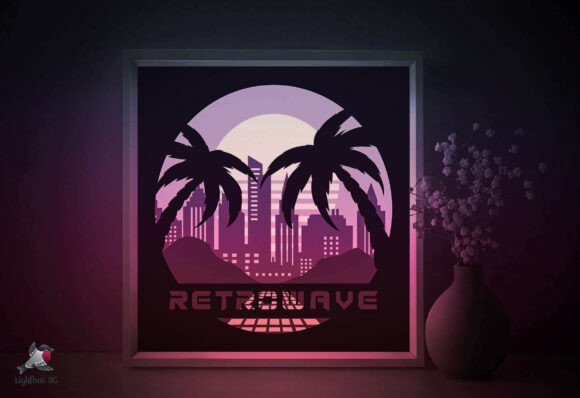
Quads Rollers 3D SVG for Shadow Boxes Review
When evaluating digital assets for client projects, my primary concern is always versatility and technical execution. As a graphic designer managing branding and product launches for small businesses, I cannot afford assets that look beautiful in a preview but fail during production. Recently, I reviewed the Quads Rollers Papercut Lightbox Template while developing a visual identity and packaging concept for a boutique skate culture brand. The goal was to merge urban energy with artisanal craftsmanship, creating a tangible connection between the digital storefront and physical merchandise. This listing is for digital files to create your own 3D paper cut light box, functioning as a wonderful decorative night-light made of layered paper and LED illumination. From a professional design perspective, this asset offers unique opportunities for texture and depth that standard vector illustrations simply cannot achieve.
Evaluating Visual Depth for Boutique Branding
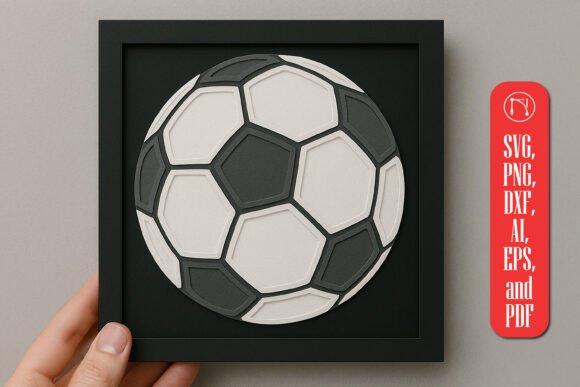
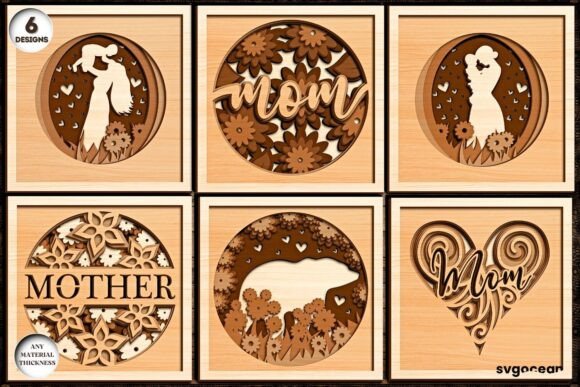
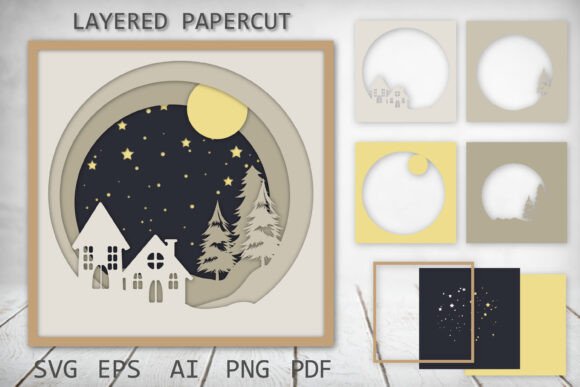
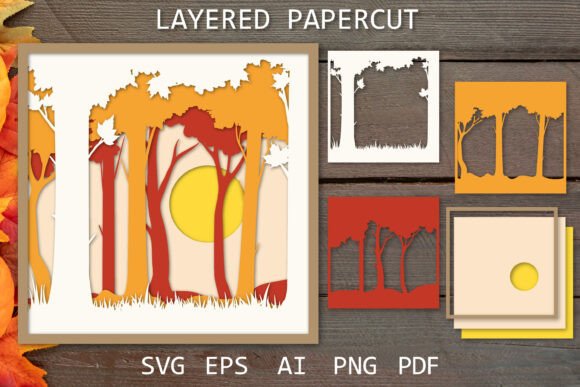
The first impression of the Quads Rollers Papercut Lightbox Template is one of intricate nostalgia mixed with dynamic motion. Unlike flat clipart or generic sublimation designs, this asset relies on negative space and shadow to define its form. For my client’s project, which required a hero graphic for an Etsy product page and a backdrop for social media graphics, the layered aesthetic immediately established a premium, handmade feel. The interplay of light and shadow inherent in the design communicates value before the viewer even reads the copy. In modern design, where flat minimalism often dominates, introducing a 3D SVG element creates a tactile disruption that captures attention. It signals to the audience that the brand values detail and physical craft, which is essential for establishing trust in the creative marketplace.
However, designers must understand that this is not merely an illustration; it is a structural blueprint. When assessing it for commercial design use, I looked past the rendered preview to analyze the actual cut lines. The file structure needs to be clean enough for Cricut users and laser cutters without requiring hours of node cleanup. In my review, the template held up well as a foundational element for brand identity, providing a recurring motif that could be adapted across various touchpoints without feeling repetitive.
Strategic Applications Across Print and Digital Media
In real-world application, the Quads Rollers Papercut Lightbox Template performs exceptionally well in specific contexts while demanding caution in others. For large layout areas such as website headers, poster backgrounds, or packaging inserts, the complexity of the paper layers adds necessary visual weight. I utilized the asset as a central focal point for a limited-edition sticker design, where the die-cut shape mirrored the internal layers of the lightbox. This created a cohesive narrative between the digital ad and the physical collectible. For content creators and bloggers, photographing the assembled lightbox provides high-engagement Pinterest pins and Instagram posts because the lighting effects naturally stop the scroll.
Conversely, this asset requires careful handling in smaller formats. Because the design depends on distinct separation between layers to create the illusion of depth, reducing it below a certain threshold causes the details to muddy. I would advise against using this specific template for small business cards, dense editorial text wraps, or minimalist logo marks where clarity is paramount. It also struggles in low-contrast environments; if you are placing this on a dark website background without simulating the backlight effect, the intricate cuts may disappear. For t-shirt design or tote bags, the asset works best when treated as a standalone graphic rather than part of a busy collage. Designers working on Canva templates should ensure they maintain adequate whitespace around the element to preserve its visual hierarchy.
Technical Due Diligence for Commercial Production
Before committing any graphic design asset to a paid client project, rigorous testing is non-negotiable. My review process for the Quads Rollers Papercut Lightbox Template involved several practical checks that every professional designer should perform. First, I tested the SVG design in black and white to ensure the composition relied on strong silhouettes rather than just color differentiation. This is crucial for print-on-demand sellers who need to offer monochrome variations. Next, I verified the contrast on both light and dark backgrounds, simulating how the LED lights would interact with different paper stocks. If you are selling this as a finished printable design or a digital download, your mockups must accurately represent the glowing effect, or customers will feel misled.
- Vector Integrity: Open the 3D SVG in Illustrator or Inkscape to check for open paths or overlapping nodes that could cause cutting errors on Cricut machines.
- Typography Pairing: Test the asset against serif, sans-serif, and display fonts. The organic, jagged edges of papercut art typically pair better with bold, structured typefaces than delicate scripts, which can compete visually.
- Scale Testing: Print the design at 50%, 100%, and 150% scale to identify the minimum viable size where details remain distinct.
- Licensing Verification: Always confirm the commercial license terms. Ensure you have the right to sell physical items made from the template versus selling the digital file itself.
- Material Compatibility: Test cuts on varying paper weights (65lb vs. 80lb cardstock) to ensure the intricate bridges in the rollers design do not tear during production.
Enhancing Emotional Resonance in Client Work
Beyond technical specs, the true value of the Quads Rollers Papercut Lightbox Template lies in its emotional resonance. For a handmade business or small business branding effort, generic vectors often fail to convey the "soul" of the product. This asset bridges that gap by embodying the labor-intensive nature of papercraft. When used in marketing visuals, it tells a story of patience and precision. During my client project, we found that featuring the assembly process of the lightbox in video content performed significantly better than static product shots. The template served as a prop that demonstrated the brand's dedication to quality.
For digital sellers and Etsy shop owners, this type of design bundle offers high perceived value because it solves a complex problem: creating dimensional art without needing advanced sculpting skills. However, professionalism dictates that we do not rely solely on the asset's novelty. It must support the overall visual hierarchy and brand consistency. If the client’s existing identity is ultra-modern and sleek, the rustic charm of a shadow box might create cognitive dissonance. But for brands rooted in lifestyle, gaming, retro aesthetics, or artisanal goods, this template is a powerful tool. It transforms a standard digital product into an experiential object, deepening audience engagement through the universal appeal of light and shadow.
Final Verdict for Professional Designers
The Quads Rollers Papercut Lightbox Template is a robust addition to a designer’s toolkit, provided it is applied with strategic intent. It excels in projects requiring texture, warmth, and dimensional interest, making it ideal for packaging design, event decor, and immersive social media campaigns. It is less suitable for corporate stationery or high-density information design. By treating this 3D SVG as a structural component rather than mere decoration, and by adhering to strict production testing protocols, designers can leverage this asset to deliver polished, emotionally compelling results for their clients. Whether you are crafting a new brand identity or expanding a print-on-demand catalog, understanding the nuanced behavior of light and shadow in digital templates is what separates amateur outputs from professional creative solutions.