Boho Landscape Paper Cut Shadow Box Review
As a designer who regularly bridges the gap between digital assets and tangible textile products, I approach every new file with a specific question: will this actually stitch out beautifully, or is it just a pretty screen image? When evaluating the Boho Landscape Paper Cut Shadow Box for potential use in my studio, I am looking beyond the aesthetic appeal of the layered paper style. I am analyzing how those distinct layers translate into thread, stabilizer choices, and final product viability for both personal projects and commercial inventory.
Translating Digital Layers to Stitched Texture
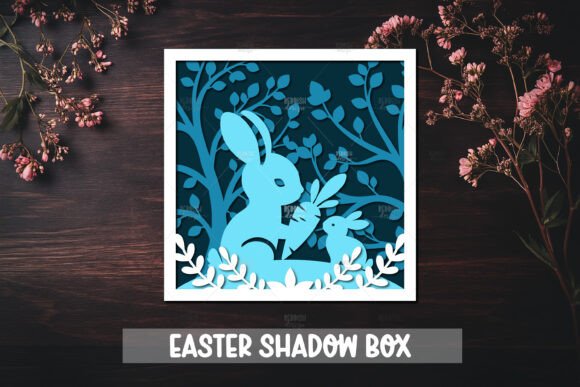
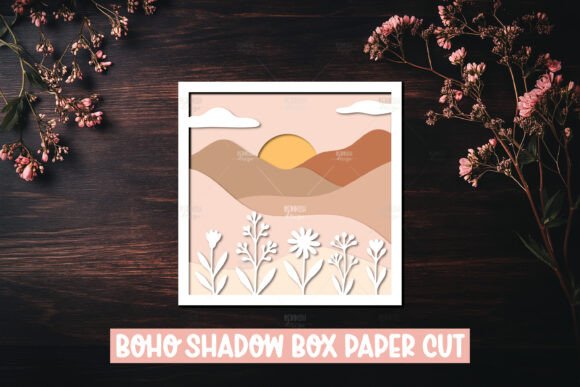
The first impression of this design is undeniably strong. The "paper cut" aesthetic relies on clean lines and distinct separation between foreground and background elements to create depth. In a digital 3D SVG format, this depth is achieved through stacking. In machine embroidery, however, we must achieve this through stitch density and fabric manipulation. Visually, the Boho Landscape Paper Cut Shadow Box evokes a warm, nostalgic mood that fits perfectly within Summer collections or nursery themes. The organic shapes typical of boho landscapes suggest flowing hills, suns, and botanical elements that are generally forgiving when digitized, provided the transition points are handled correctly.
For an embroidery project, this visual personality suggests a move away from flat, dense fills. To truly capture the shadow box effect, I would treat this as a hybrid applique design or utilize varying stitch types to mimic the paper layers. A running stitch might define the "cut" edges, while lighter fill stitches create the illusion of distance. If you are planning to use this for custom apparel or home decor, understanding that the digital layering requires physical interpretation is crucial. You cannot simply hoop and hope; you must visualize how the top layer physically sits above the bottom layer, either through actual fabric appliqué or strategic stitch buildup.
Real-World Application: The Tote Bag Test
To give this a proper stress test, I envision using the Boho Landscape Paper Cut Shadow Box on a natural canvas tote bag. This is a staple item for Etsy sellers and craft business owners because it offers a stable, medium-weight base that showcases detailed designs well. Canvas has enough texture to hide minor registration issues but is smooth enough to let the boho details shine.
In this scenario, I am thinking about the customer's reaction. A tote bag featuring this landscape needs to look intentional and high-end, not like a sticker ironed onto fabric. Because the design mimics a shadow box, stitching it directly onto the canvas creates a beautiful tactile contrast. However, I would be cautious about stitch density. Canvas can handle density, but if the design files include heavy backing layers meant for paper crafting, they could make the bag stiff and unappealing. As a maker, I would likely modify the digital embroidery file to reduce underlay in the background sections, ensuring the finished product remains pliable. This level of adaptation is what separates professional commercial embroidery from hobbyist attempts. The goal is a personalized gift or boutique product that feels soft to the touch despite the complex visual layering.
Navigating Fabric Limitations and Hoop Constraints
While the boho aesthetic is versatile, the technical execution of a shadow box style demands respect for fabric physics. I would advise against using this design on highly stretchy knits or thin, sheer fabrics without significant modification. The multiple layers inherent in a paper cut design add weight. On a lightweight t-shirt or baby clothes, this could cause sagging or distortion around the hoop area. If you are set on sweatshirt embroidery or baby embroidery, you must use a robust stabilizer—likely a combination of cut-away and tear-away—to support the structural integrity of the landscape layers.
Furthermore, consider your hoop size. Detailed landscapes often suffer when scaled down too small. Tiny corners and intricate botanical elements can get lost or turn into thread nests if the design is compressed below its optimal threshold. Always check the minimum recommended dimensions before purchasing or stitching. Dark fabrics also present a challenge for this specific aesthetic. Paper cut styles rely on light and shadow; on black or navy fabric, you lose the natural contrast unless you use light-colored threads exclusively or add a fabric backing layer. For holiday embroidery or seasonal merchandise, ensure the color palette translates well against your chosen garment color before committing to a production run.
Elevating Product Value and Brand Consistency
Using a cohesive design like the Boho Landscape Paper Cut Shadow Box can significantly enhance brand recognition for handmade shops. Customers associate specific aesthetics with quality. When this design is executed well, it signals professionalism. It tells the buyer that you understand composition and texture, not just digitizing software. This is particularly important for Etsy sellers and small shop products where trust is built through visual presentation.
However, value is also determined by versatility. Can this design work as an embroidered patch? Absolutely, provided the border is reinforced. Can it serve as a centerpiece for a pillow cover? Yes, if centered and balanced with negative space. The key is consistency. If you sell this as part of a Summer collection, ensure the thread colors match across different items. A boho landscape on a tea towel should feel related to the same design on a cap, even if the materials differ. This attention to detail drives buyer engagement and encourages repeat purchases. It transforms a single digital download into a comprehensive product line.
Critical Designer Notes for Success
Before you load this file into your machine or list a finished item in your shop, please adhere to these practical guidelines derived from professional experience:
- Test Stitch on Scrap Fabric: Never run a new design directly on a sellable product. Use scrap material that matches your final project’s weight and weave to check for puckering or registration errors.
- Verify File Compatibility: While the product includes EPS, SVG, and JPG formats, confirm you have the necessary software to convert these vector art files into a machine-readable embroidery file (like DST, PES, or JEF) compatible with your specific equipment.
- Analyze Stitch Density: Open the file in your editing software. If the "shadow" layers are solid fills, consider changing them to lighter density fills or removing them entirely if you plan to use real fabric layers instead.
- Check Licensing Terms: Since this is an instant download, carefully review the included license regarding commercial use. Confirm whether you can sell finished embroidered products, digital mockups, or modified versions of the design.
- Mockup Testing: Create printable mockups using the JPG file to visualize placement on various garments before stitching. Compare how the design looks on light versus dark backgrounds to determine your best-selling colorways.
- Stabilizer Selection: Match your stabilizer to the fabric texture and the design's complexity. A multi-layer shadow box design typically requires more support than a simple outline.
The Boho Landscape Paper Cut Shadow Box offers immense creative potential for makers and entrepreneurs. Its charm lies in the interplay of depth and organic form, but its success in embroidery relies entirely on your technical judgment. By respecting the translation from digital vector to stitched reality, testing rigorously, and adapting to your specific substrate, you can turn this asset into a standout addition to your summer lineup or permanent collection. Remember, the best embroidery projects are those where the technology serves the art, resulting in a finished product that delights both the maker and the recipient.