3D SVG Greeting Card for Pop-Up Cards Branding
Evaluating Whimsy and Structure for Artisan Packaging
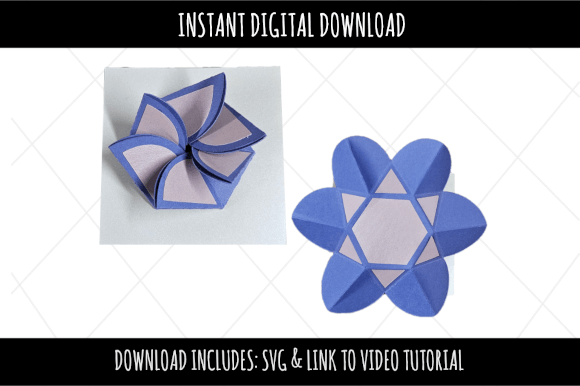
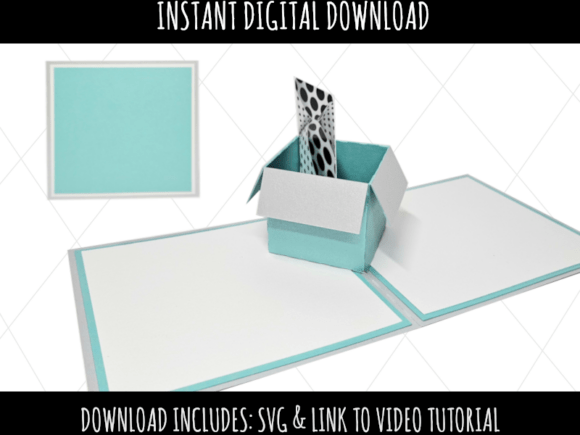
As a brand designer specializing in local business identity, my first interaction with this Greeting Card SVG was an assessment of its structural integrity and emotional resonance. When reviewing Pop-Up Cards assets for professional use, I am not merely looking for cute illustrations; I am evaluating engineering and brand alignment. This specific 3D SVG immediately struck me as having a balanced architecture. It possesses a delightful versatility that suggests warmth and intentionality without leaning too heavily into juvenile aesthetics. For a local artisan bakery or a boutique florist, this asset communicates a "handmade but professional" personality. It feels organic yet precise, suggesting a business that values craftsmanship. The inclusion of a matching envelope within the file structure is a significant advantage for packaging design, as it allows for cohesive unboxing experiences rather than disjointed visual elements.
Integrating Dimensional Assets into Product Labels and Inserts
In a recent project for a small-batch skincare line, we needed a graphic design asset that could transition between digital marketing and physical touchpoints. This Greeting Card SVG proved exceptionally useful for creating printable inserts. Because it is designed as a 3D SVG, the vector paths are optimized for cutting machines like Cricut or Silhouette, which is essential for handmade business owners producing their own collateral. We utilized the flat version of the design on product labels to create a subtle texture, while the assembled pop-up version served as a premium thank-you card included in shipping boxes. This dual application maximizes the value of the design assets. For food businesses, this style works beautifully on menu graphics or seasonal promotional flyers where you want to evoke nostalgia and comfort. The visual hierarchy remains clear because the intricate cuts provide natural negative space, preventing the design from feeling heavy or cluttered when placed alongside product photography.
Enhancing Customer Trust Through Cohesive Visual Storytelling
A consistent brand identity relies on repetition and recognition. When I incorporate this type of illustration into a client’s ecosystem, it strengthens the emotional connection between the buyer and the seller. For a candle brand or home decor shop, using this Greeting Card SVG across social media graphics, website banners, and physical packaging creates a unified narrative. Customers perceive this level of detail as a sign of quality and care. In commercial design, trust is often built through these micro-interactions. A polished, well-executed pop-up card insert signals that the business invests in the customer experience beyond the transaction. Furthermore, when used in product mockups for an Etsy listing or Shopify store, this asset adds depth and scale, helping potential buyers visualize the tactile nature of the product. It transforms a flat screen interaction into a sensory anticipation, which is critical for small business branding where competition is high.
Strategic Placement: Where Whimsy Supports Sales
Understanding where to deploy this asset is just as important as the asset itself. Based on my testing, this Greeting Card SVG performs best in areas dedicated to delight and appreciation. It is ideal for:
- Thank-you cards and packaging accents: The primary use case, leveraging the 3D element for unboxing videos.
- Seasonal campaign visuals: Perfect for holiday promotions where traditional card aesthetics are expected.
- Boutique hang tags: Scaled down, the silhouette works as a distinctive tag shape for clothing or jewelry.
- Social media templates: Use the open card as a frame for text overlays or product reveals in Canva templates.
- Editorial design: Excellent for blog headers or newsletter graphics discussing gifting or celebrations.
These applications leverage the asset's strengths: intricacy, emotion, and dimensionality. They allow the modern design to breathe and serve its purpose without competing with functional information.
Navigating Limitations in Commercial and Functional Design
While versatile, this SVG design requires careful handling in specific contexts. I would advise against using complex Pop-Up Cards vectors in areas requiring high legibility at small sizes. For example, avoid placing this detailed graphic directly behind ingredient lists or legal disclaimers on a product label. The intricate cut lines can reduce contrast and make mandatory text difficult to read. Similarly, for luxury minimalist brands, the playful nature of this clipart might clash with a stark, austere aesthetic unless intentionally juxtaposed. It is also less suitable for formal corporate branding or B2B financial services where whimsy may be misinterpreted as a lack of seriousness. Always consider the background color; highly detailed PNG design exports of this file can get lost on busy patterns. Solid, muted backgrounds typically yield the most professional results for marketing visuals.
The Designer’s Pre-Flight Checklist for Local Business Application
Before integrating this Greeting Card SVG into any commercial license project, I run through a rigorous testing protocol to ensure production readiness. First, always verify the commercial license terms specifically regarding physical product sales versus digital redistribution. Next, test the vector nodes in Adobe Illustrator or Inkscape to ensure paths are closed and optimized for cutting; stray nodes can ruin a batch of printable design materials. I strongly recommend printing a physical prototype at actual size before committing to a large run. What looks delicate on screen may be too fragile in paper form, or conversely, too thick to fold cleanly.
Additionally, evaluate the asset in black and white. If the design relies solely on color to define its shapes, it may fail on kraft paper or monochrome packaging. Test typography pairings extensively; this style generally pairs better with clean sans-serif or elegant serif fonts rather than overly ornate scripts, which can compete with the card's detailing. Finally, check how the asset renders in different software. If your client uses Canva template systems, ensure the uploaded SVG maintains its grouping and editability. By treating this digital product with the same scrutiny as custom logo design work, you ensure that the final output elevates the local business brand rather than detracting from it. This disciplined approach turns a simple greeting card file into a robust tool for professional branding and customer engagement.